
Why Bal Harbour Residents Choose Pro Movers Miami
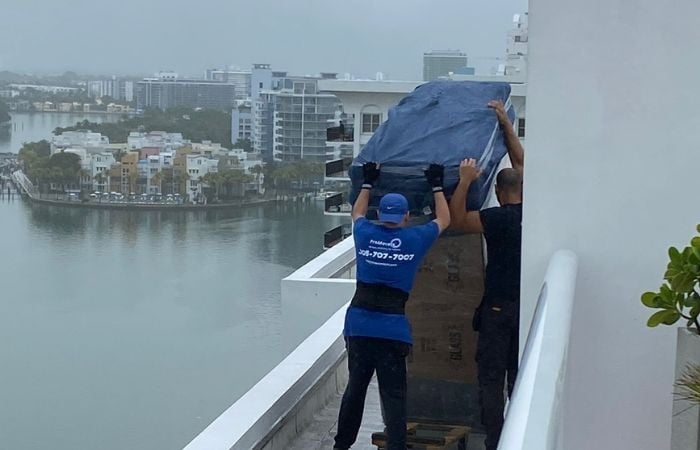
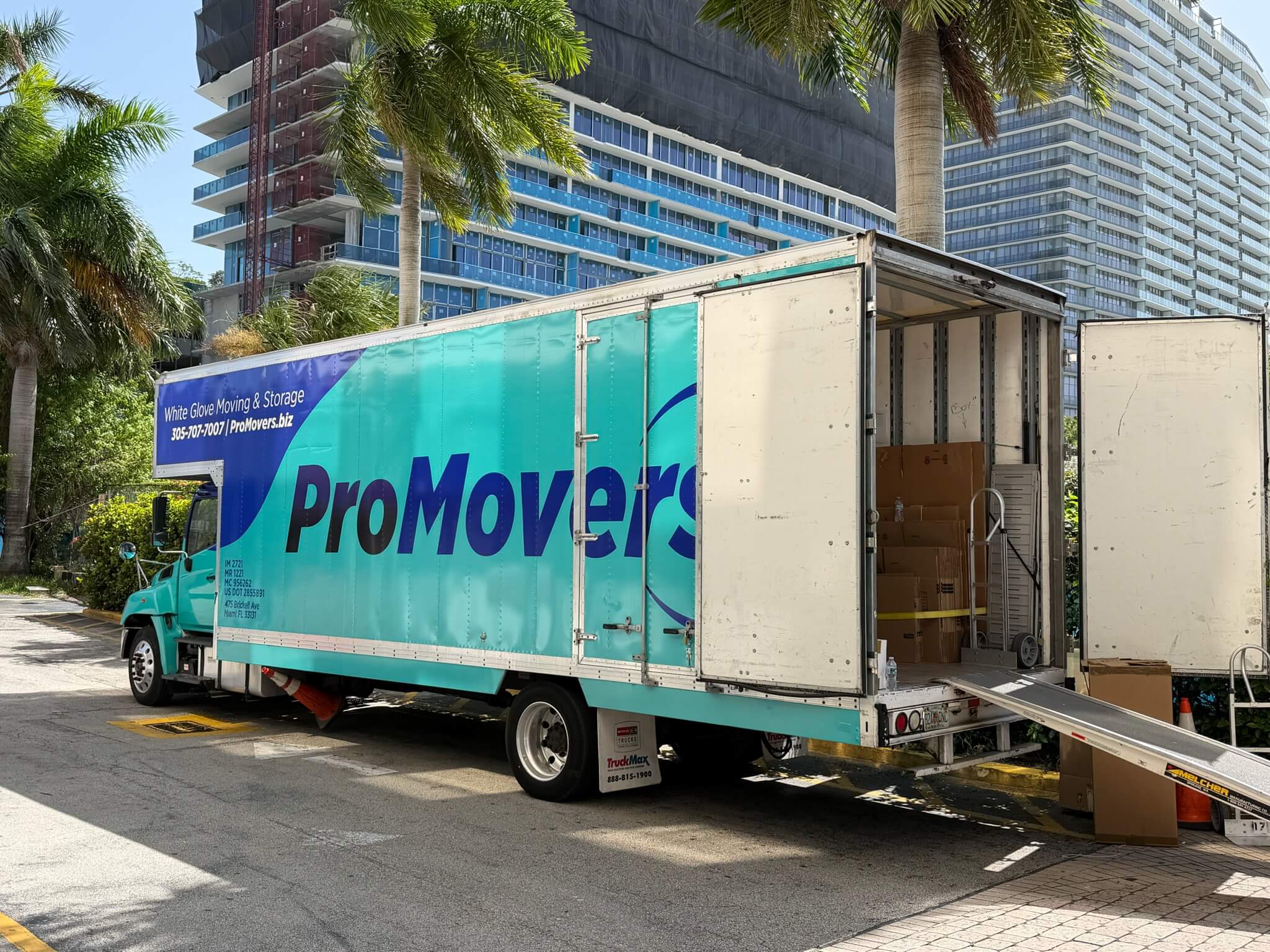
The building sets the rules and we work to them: Bal Harbour is almost entirely oceanfront condo, so nearly every job runs through a building office before it runs through a front door. We confirm the vehicle policy, the approved hours, and the insurance requirement before the day.
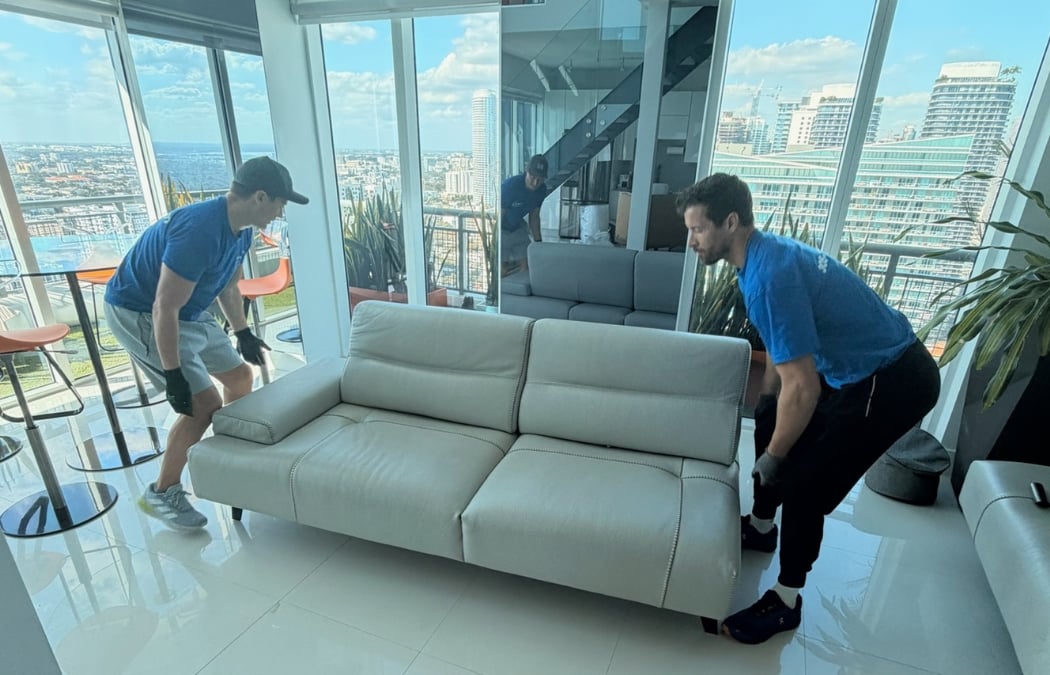
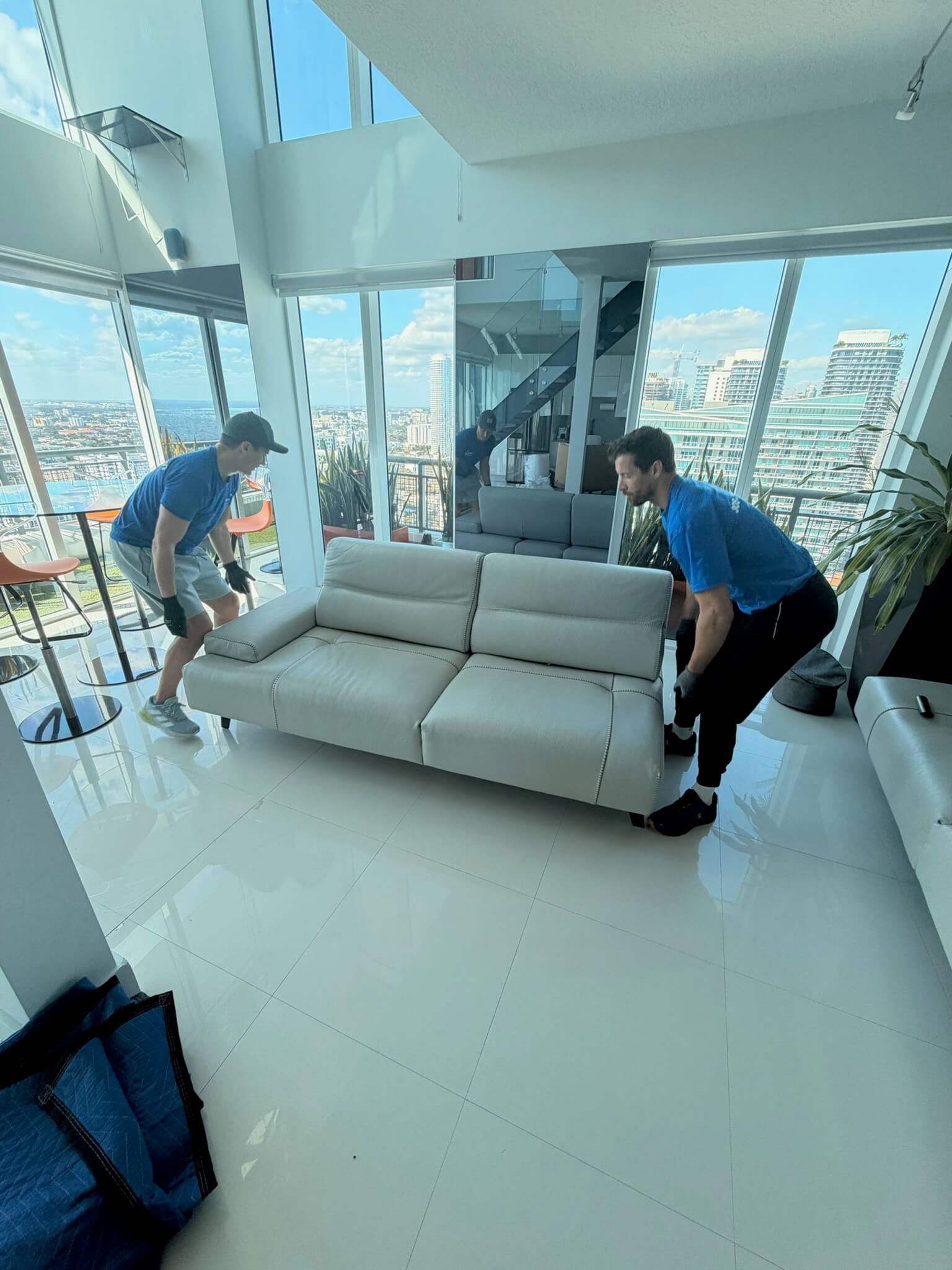
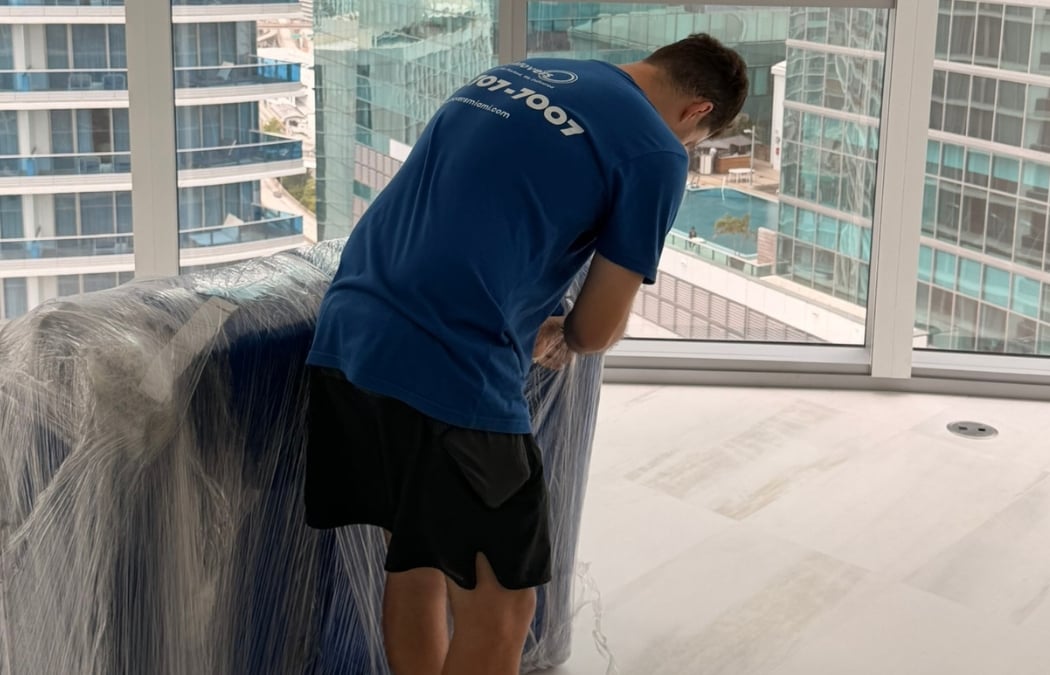
White glove as standard, not an upsell: Where contents warrant it, items are wrapped and placed rather than boxed and stacked, and unpacking is part of the service.
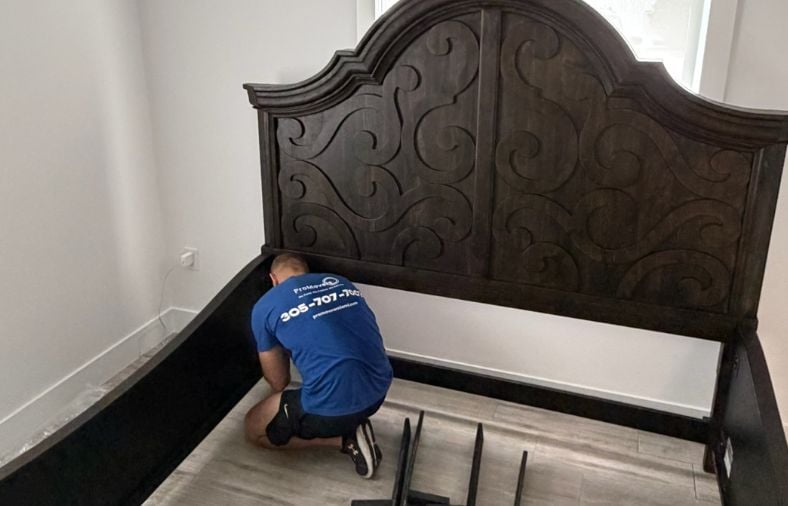
Art, crating, and high end furniture: Three of our documented specialties matter more here than almost anywhere we work. Custom crating for stone and glass, individual handling for artwork, and proper disassembly and rebuild of designer and imported furniture.
Seasonal owners and storage: Owners here often need goods held between closings or between seasons. We store rather than forcing two separate bookings.
Where We Work Around Bal Harbour
Collins Avenue oceanfront towers: The main concentration of housing and the strictest access rules. Vehicle restrictions, approved hours, and insurance requirements are set building by building rather than by the village.
Bay Harbor Islands and Surfside: Smaller buildings and some single-family stock, generally with easier truck access than the oceanfront towers. See our Surfside movers page.
Sunny Isles Beach and Indian Creek: The same oceanfront tower profile a short run north. See Sunny Isles Beach and Indian Creek Island.
Miami Beach and the barrier islands: Moves south along the barrier island are local moves for us. See Miami Beach and Fisher Island.